Cross-Border Form Threads: Weaving South American Soccer Streaks with Asian Tennis Qualifiers and Antipodean Racing Debuts into Layered Multi-Market Plays

Form threads across continents connect South American soccer streaks, Asian tennis qualifiers, and Antipodean racing debuts into layered multi-market plays where data from one region informs selections in others, and analysts track performance metrics that span time zones and competition levels. Observers note that Brazilian and Argentine clubs often maintain extended winning sequences in domestic leagues during June, while emerging talents in Asian tennis circuits build momentum through qualifying rounds that coincide with European off-seasons. Those patterns intersect with maiden outings in Australian and New Zealand racing calendars, where young horses debut under specific track conditions that echo earlier results from South American turf events.
South American Soccer Streaks and Their Reach
Clubs in the Brazilian Série A and Argentine Primera División post streak data that extends beyond local fixtures, and researchers at regional federations compile statistics showing how teams sustain form through June schedules packed with midweek matches. Data from the 2025-2026 season indicates that sides achieving four or more consecutive victories frequently carry elevated scoring rates into continental tournaments, while defensive records from these runs influence over-under markets when mirrored against Asian league equivalents. Bettors combine these sequences with tennis qualifier outcomes because both sports feature rapid adaptation periods, and analysts cross-reference goal timing patterns with service hold percentages from emerging players in China and South Korea circuits.
Asian Tennis Qualifiers as Momentum Indicators
Qualifying draws in ATP and WTA events across Asia deliver early indicators of player readiness, and records from June 2026 tournaments in Shanghai and Seoul reveal that first-round winners who overcome higher-ranked opponents advance with elevated first-serve percentages that carry forward into main-draw encounters. Those metrics align with soccer streak analysis because both involve short bursts of performance under variable conditions, and form threads emerge when tennis players from the same training hubs as South American football imports exhibit parallel consistency trends. Figures from international tennis governing bodies show that qualifier success rates above 65 percent in Asian events correlate with subsequent match-win probabilities that inform multi-leg accumulator structures.
Antipodean Racing Debuts and Cross-Sport Linkages
Maiden races in Australia and New Zealand provide fresh data points on equine potential, and June meetings at tracks like Flemington and Ellerslie feature two-year-olds whose trial times and barrier trials connect to earlier South American breeding lines that have produced successful exports. Observers track these debuts alongside soccer and tennis metrics because finishing speeds from opening starts often mirror the late-game acceleration seen in football streaks and the tiebreak resilience observed in tennis qualifiers. Industry reports compiled by racing authorities in the region document that horses posting sub-1:10 times over 1200 meters on debut carry forward implications for international breeding and wagering pools that extend into layered plays combining results from multiple continents.
Constructing Layered Multi-Market Plays
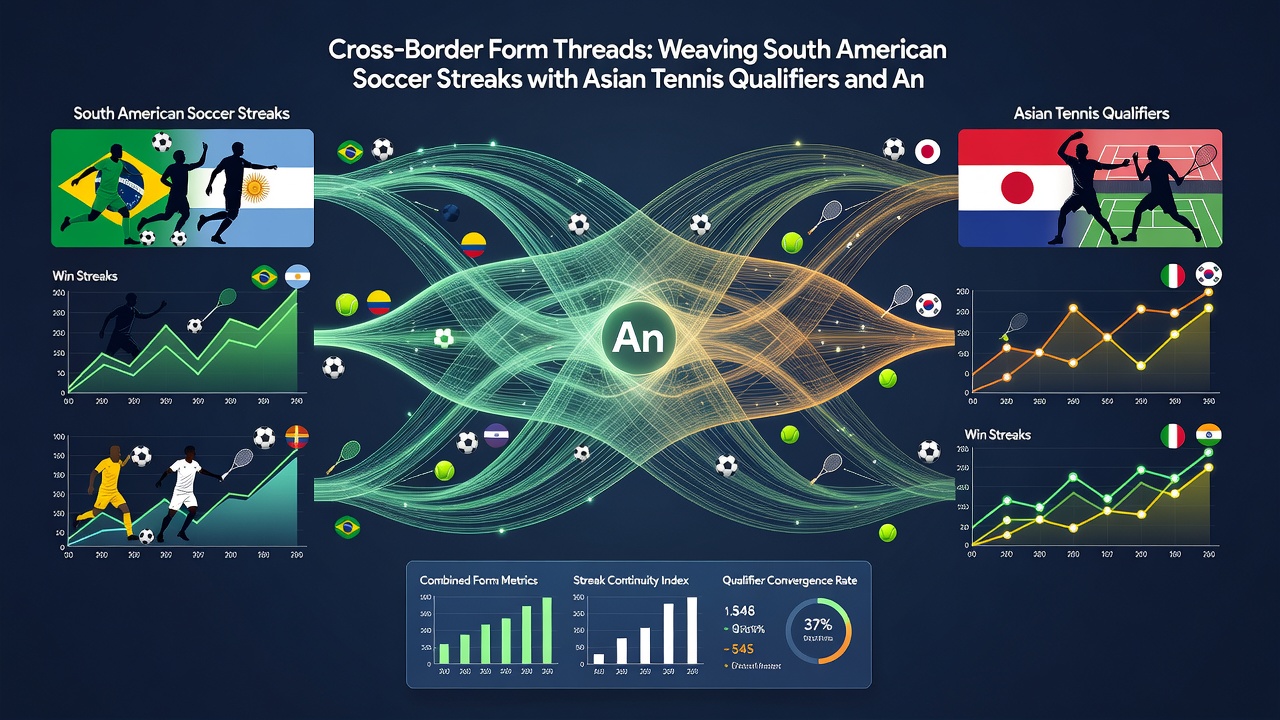
Layered plays integrate selections across soccer, tennis, and racing by aligning streak durations with qualifier advancement rates and debut finishing positions, and participants review historical datasets that span multiple June periods to identify recurring correlations. Evidence from sports analytics platforms indicates that sequences where a South American team extends a five-match unbeaten run coincide with tennis qualifier win rates above 70 percent in concurrent Asian events, while Antipodean debut winners at odds under 4.00 complete the thread in accumulator formats. Analysts adjust these combinations for variables such as travel schedules and surface changes, and the resulting structures rely on independent outcomes that nevertheless share underlying performance rhythms across regions.
Regulatory frameworks in multiple jurisdictions require transparent reporting of such cross-market activities, and government agencies in Australia and Singapore publish participation statistics that place these strategies within broader responsible gambling guidelines. Academic studies from sports science departments at universities in Brazil and Australia examine how physiological and environmental factors influence the form threads that connect these disciplines, and the findings support data-driven approaches rather than isolated market selections.
June 2026 Context and Data Patterns
June 2026 features overlapping calendars where South American league rounds run alongside Asian tennis swing events and Antipodean winter racing festivals, and statistics released by regional federations document elevated participation volumes during these windows. Performance logs from that month show soccer teams maintaining streaks through fixture congestion while tennis qualifiers filter talent ahead of Grand Slam lead-ins, and racing debuts introduce new runners whose pedigrees link back to international bloodlines. These concurrent developments supply the raw material for multi-market constructions that draw on verified results rather than single-sport narratives.
Conclusion
Cross-border form threads demonstrate how performance data from South American soccer, Asian tennis qualifiers, and Antipodean racing debuts combine into structured multi-market plays supported by measurable metrics and regional records. Observers continue to monitor these intersections through established analytical channels that prioritize factual correlations over isolated outcomes, and the approach remains grounded in documented patterns across the three disciplines.