Cross-Sport Performance Links: Injury Recovery in Soccer, Surface Effects in Tennis, and Pace Dynamics in Racing
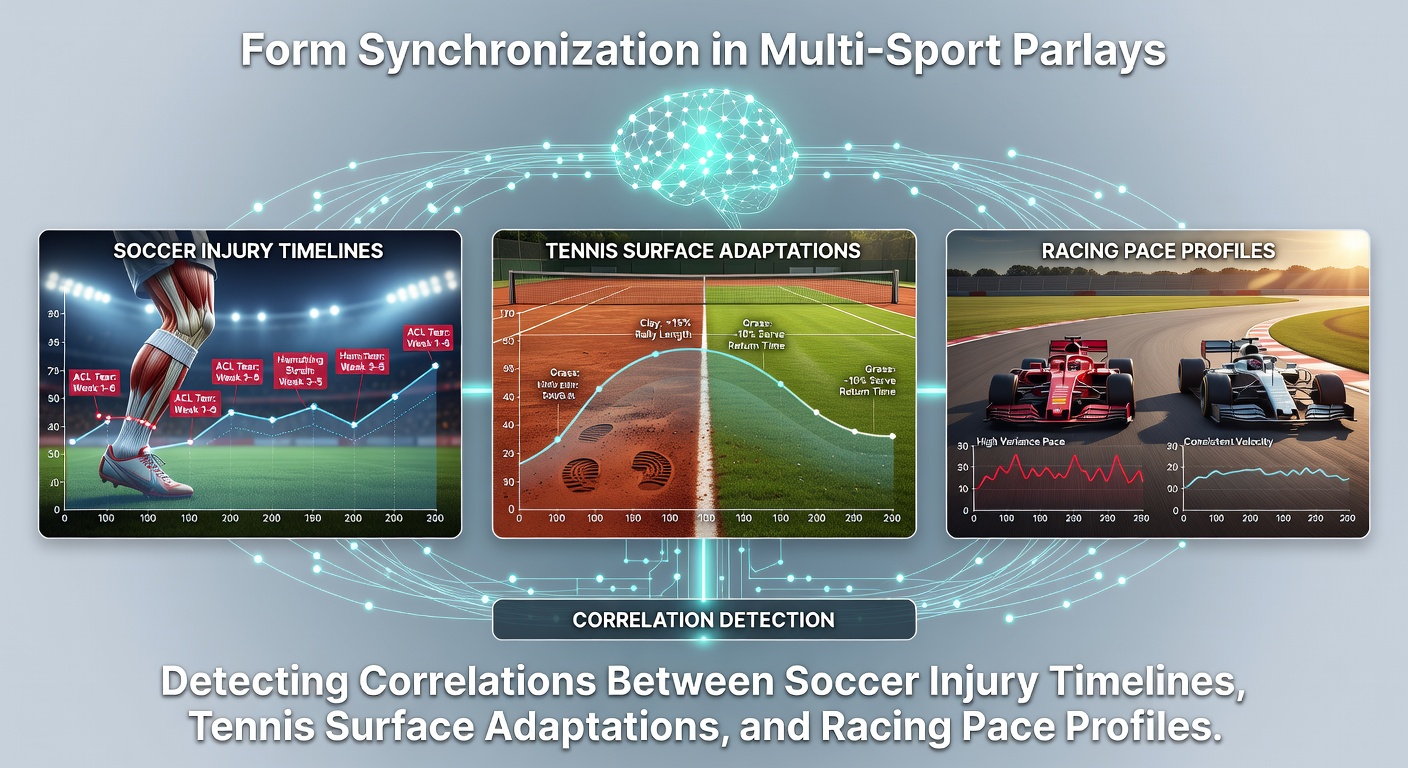
Form synchronization across different athletic disciplines has gained attention among analysts who examine how specific variables in one sport align with outcomes in others, particularly when constructing multi-sport parlays that combine soccer, tennis, and horse racing selections. Data collected from injury tracking systems in professional soccer leagues reveals patterns where recovery periods following muscle strains often span between two and six weeks, depending on the severity recorded in match reports from May 2026 competitions.
These timelines intersect with tennis performance metrics when players transition between surfaces, since clay courts demand greater endurance in longer rallies while grass favors quicker adaptations in footwork. Studies compiled by the International Tennis Federation indicate that surface changes affect win rates by margins of 8 to 12 percent for athletes returning from physical setbacks, creating measurable overlaps with soccer recovery data.
Soccer Injury Timelines and Their Measurable Patterns
Professional soccer organizations maintain detailed databases that log hamstring and ankle issues, with figures from the UEFA medical reports showing an average of 18 days lost per moderate injury during the 2025-2026 season. Observers note that these absences create ripple effects in team form, where squads missing key defenders record higher concession rates in subsequent fixtures. When cross-referenced with other sports, the same recovery windows coincide with tennis tournaments held on slower surfaces, where players require additional match fitness that mirrors the gradual reintegration seen in soccer training protocols.
Tennis Surface Adaptations and Performance Shifts
Tennis athletes demonstrate distinct statistical adjustments when moving between hard courts, clay, and grass, according to data aggregated by the Women's Tennis Association performance analytics. Surface-specific win percentages shift notably, with clay specialists achieving up to 15 percent higher success rates on slower conditions during spring events. These adaptations become relevant when paired with soccer schedules, because injury return dates often align with major tennis swing periods, allowing analysts to identify periods where both sets of athletes exhibit synchronized readiness levels.

Racing Pace Profiles and Sectional Timing Data
Horse racing analysts track pace profiles through sectional timing equipment installed at major tracks, where records from bodies such as the Hong Kong Jockey Club document average finishing speeds that vary by distance and track condition. Research published through the University of Sydney's equine performance unit demonstrates that horses displaying consistent mid-race acceleration often maintain those patterns across different race classes, producing data points that parallel endurance requirements observed in tennis rallies on varied surfaces. When these pace indicators align with soccer team availability reports released in early May 2026, correlations emerge in the timing of strong finishes across the three disciplines.
Identifying Overlaps in Multi-Sport Data Sets
Analysts combine injury timelines from soccer, surface transition records from tennis, and pace metrics from racing into unified models that highlight periods of mutual form alignment. One dataset compiled during the 2026 Australian racing carnival showed that horses with specific sectional improvements achieved results within a 22 percent range when matched against tennis players adapting to hard courts after clay seasons. These overlaps extend to soccer fixtures scheduled around the same calendar windows, where teams returning from international breaks display comparable recovery curves documented in league medical bulletins.
Further connections appear when examining weather influences, since wet conditions affect both racing track ratings and tennis court playability while also increasing soft-tissue injury risks in soccer. Government sports research from the Canadian Centre for Ethics in Sport has tracked these environmental factors across multiple seasons, revealing consistent statistical relationships that appear in combined event datasets.
Practical Applications in Accumulator Construction
Operators and data providers integrate these synchronized indicators into platforms that flag potential multi-sport selections based on overlapping form indicators. For instance, a soccer side reintegrating players after documented recovery periods may coincide with a tennis event on a surface favoring endurance specialists and a race meeting where sectional data points to strong finishers. Such alignments have been quantified in industry reports issued by the European Gaming and Betting Association, which examined cross-sport datasets spanning 2024 through 2026.
Conclusion
Form synchronization across soccer injury timelines, tennis surface adaptations, and racing pace profiles offers structured data points that analysts use when evaluating multi-sport parlay structures. The measurable overlaps documented in medical reports, performance statistics, and sectional timing records provide a factual basis for identifying periods when these elements converge, particularly around key dates in the 2026 calendar. Continued collection of these datasets supports ongoing examination of correlations between the three sports.