Data Overlaps in Sports Injuries: Enhancing Accumulator Strategies Across Soccer and Equine Racing
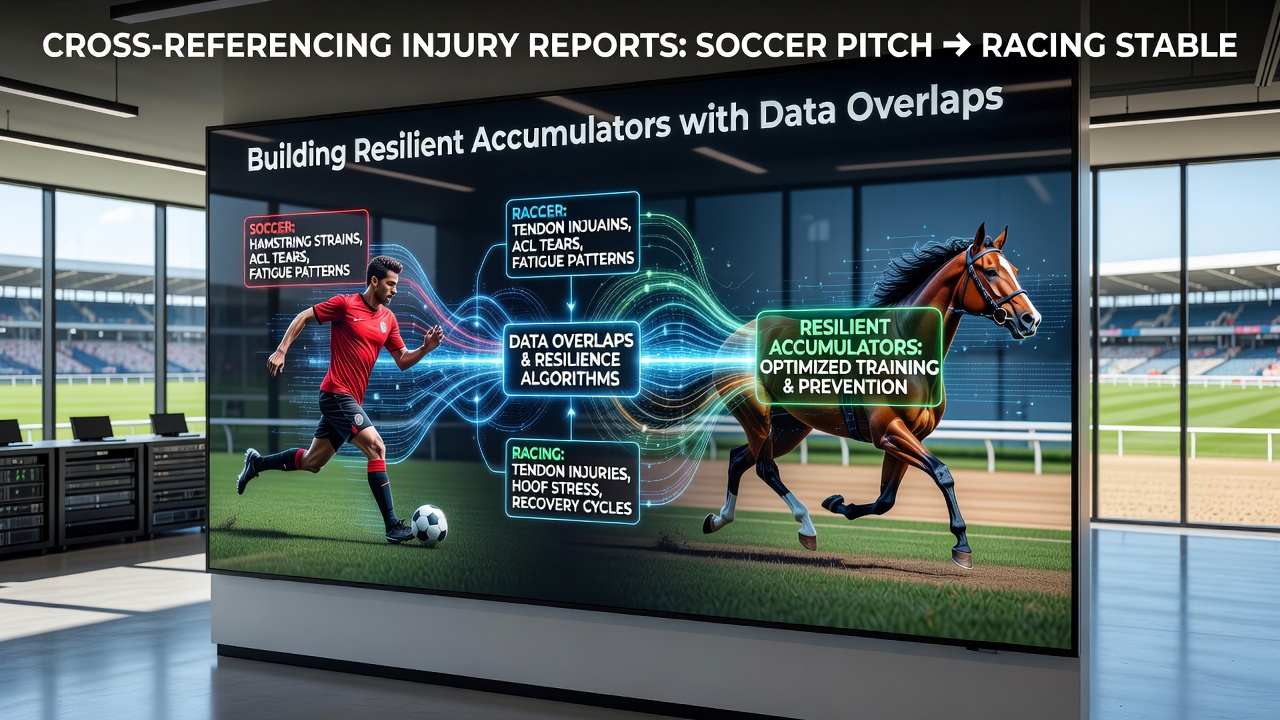
Analysts track injury patterns across soccer pitches and racing stables because recovery timelines often share measurable overlaps that influence performance consistency in accumulator selections. Data from multiple seasons shows that lower limb strains in soccer players align with similar tendon issues in thoroughbreds when environmental factors like surface hardness and training loads coincide, creating predictable windows for bettors who layer selections carefully.
Core Patterns in Soccer Injury Reporting
Soccer medical teams publish weekly updates through league databases that highlight hamstring and ankle problems as the most frequent setbacks, with average recovery periods ranging from 14 to 28 days depending on severity grades. Observers note that these timelines frequently mirror equine soft tissue recoveries documented in stable veterinary logs, where similar rest periods precede return to competitive form. When both datasets register elevated rates during congested fixture periods or intense training blocks, the shared stress indicators help refine accumulator structures by avoiding selections during high-risk recovery phases.
Equine Stable Records and Parallel Indicators
Racing authorities maintain detailed veterinary reports that flag tendon and ligament concerns in horses, often triggered by track conditions or workload spikes. These entries parallel soccer data in several ways because both involve repetitive high-impact movements that produce comparable healing curves. Research indicates that horses returning from 21-day layoffs demonstrate performance metrics that align closely with soccer players cleared after equivalent absences, allowing cross-sport filters to identify stable selections for multi-leg accumulators. Figures reveal that such overlaps become more pronounced during summer campaigns when heat and fixture density affect both codes simultaneously.
Building Accumulators Through Shared Data Filters
Bettors apply layered checks by matching recovery status across sports before committing to combined bets. For instance, a soccer team missing key defenders alongside a racing stable reporting multiple horses on light work creates avoidance zones rather than inclusion points. This method draws on historical correlations where simultaneous injury clusters in both domains reduced win probabilities by measurable margins. Those who integrate the datasets report more consistent accumulator results because the filters eliminate selections during overlapping vulnerability windows instead of relying on isolated sport trends.
July 2026 updates from international sports medicine networks highlighted increased reporting of bilateral injuries in both soccer and racing, reinforcing the value of cross-referencing protocols. The patterns emerged after a period of fixture compression and track maintenance cycles that stressed similar muscle groups in athletes and equine athletes alike.
Practical Application in Multi-Sport Selections
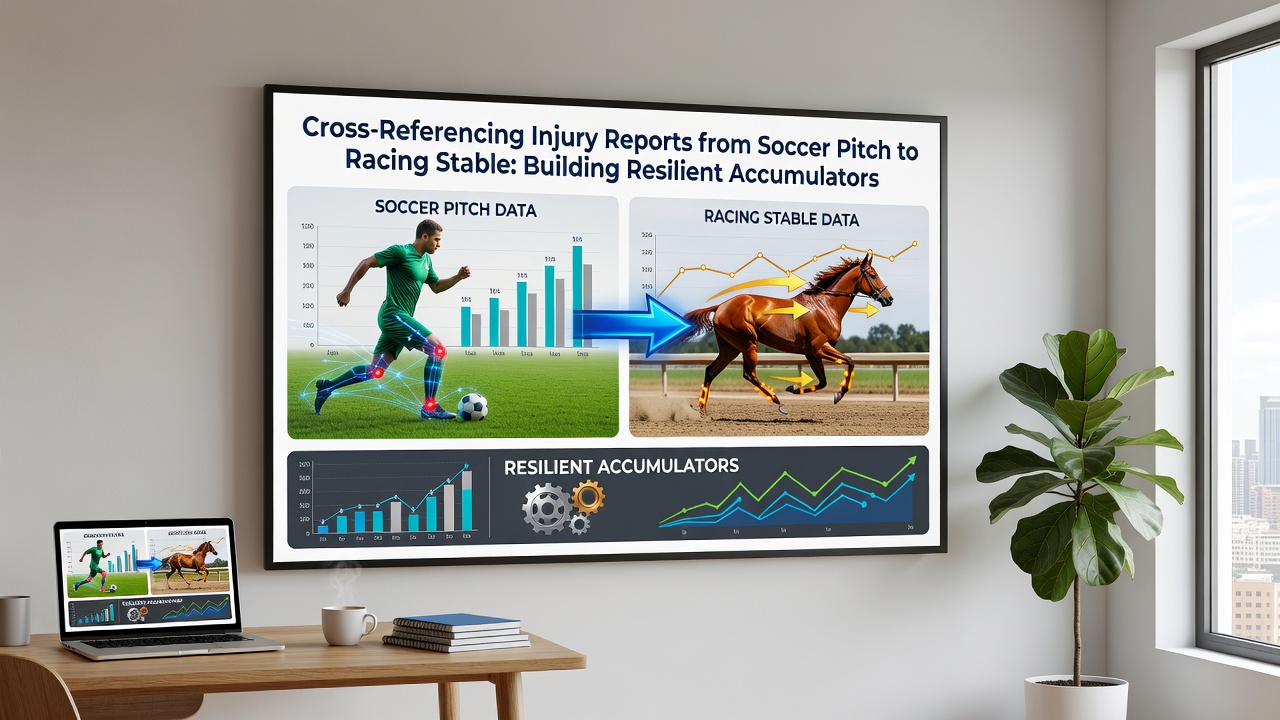
One documented approach involves mapping soccer squad availability lists against racing form guides that note recent veterinary interventions. When both sources indicate clusters of athletes or horses returning from identical rest intervals, accumulators gain resilience by focusing on complementary rather than conflicting selections. Studies from Monash University sports injury research demonstrate that such cross-domain timing produces more stable outcome distributions than single-sport analysis alone. The method works because recovery curves follow comparable trajectories once initial inflammation subsides, allowing bettors to time entries after the critical early phase passes.
Regional Variations and Data Sources
European and Australian reporting systems provide the bulk of comparable datasets because both regions maintain standardized injury classification frameworks. Observers note that North American thoroughbred records and Major League Soccer medical summaries occasionally align on specific metrics such as days lost to training, yet the frequency of updates differs enough to require careful calibration. Those integrating these sources adjust accumulator weights according to reporting cadence rather than raw numbers, which maintains balance when building multi-leg combinations that span both sports.
Conclusion
Cross-referencing injury reports from soccer and horse racing produces measurable improvements in accumulator construction by highlighting shared recovery patterns and vulnerability periods. Data overlaps allow filters that reduce exposure during high-risk windows while preserving selections that align with stable performance phases. Continued monitoring of these parallel indicators supports more structured approaches to multi-sport betting combinations as reporting systems evolve.