Global Athletics Data Reveals Performance Shifts via Event Sequencing Links
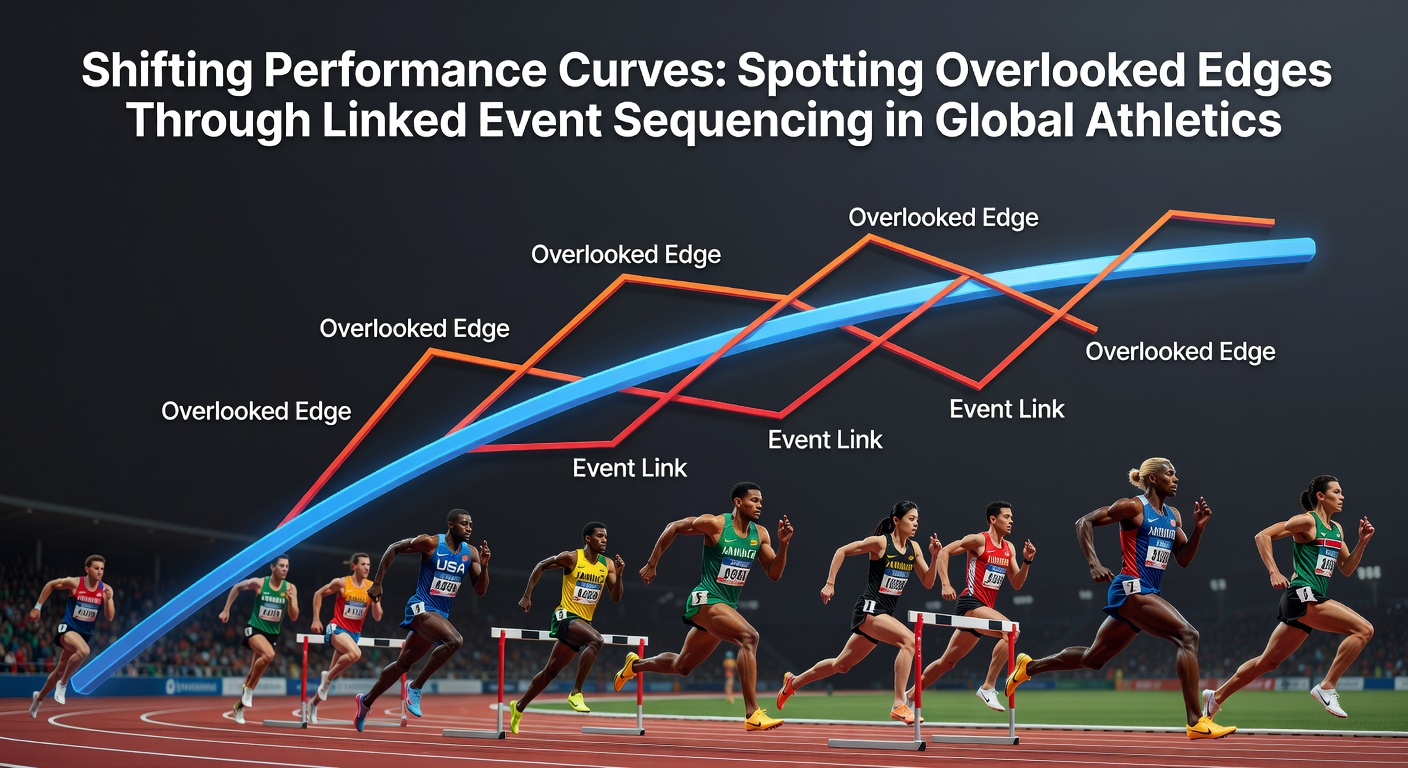
Performance analysis in global athletics has shifted toward examining how results evolve across connected competitions rather than isolated meets, and researchers now track these patterns through linked event sequencing to identify changes in athlete output over time. Data from major circuits shows that sprinters, middle-distance runners, and field event specialists exhibit measurable adjustments in their metrics when events occur in rapid succession, such as during the European summer season or the Asian Grand Prix series.
Understanding Linked Event Sequencing in Track and Field
Linked event sequencing refers to the practice of aligning results from consecutive competitions to map performance trajectories, and organizations like World Athletics have incorporated this method into their official databases since the early 2020s. Analysts compile times, distances, and wind readings from one meet to the next, revealing how factors such as travel, recovery periods, and cumulative fatigue influence subsequent showings. In June 2026, several international circuits are scheduled to release expanded datasets that include finer-grained sequencing details from the preceding winter indoor season.
Studies conducted at institutions including the University of Queensland have demonstrated that sequencing methods uncover variations missed by single-event reviews, particularly in events where athletes compete multiple times within a ten-day window. For instance, javelin throwers often register peak distances on their second or third outing in a sequence, while 400-meter runners show consistent declines after the fourth consecutive high-intensity race.
Performance Curve Shifts Across Disciplines
Curves in sprint events tend to flatten when sequencing accounts for back-to-back competitions on different continents, whereas endurance athletes display steeper adjustments tied to altitude changes between meets. Field event competitors, including high jumpers and shot putters, produce data indicating that technical events benefit from shorter recovery gaps, with performance stabilizing after two linked appearances. Observers note that these patterns emerge most clearly when data sources integrate results from both elite Diamond League meetings and regional championships.

According to reports from the Australian Institute of Sport, sequencing analysis applied to the 2025 Oceania circuit identified overlooked improvements in relay teams that competed in three consecutive meets with minimal rest. The same approach applied to hammer throw sequences has highlighted how rotational speed metrics evolve differently when athletes move from sea-level venues to higher-altitude sites within a single month.
Data Integration Methods and Regional Variations
European federations have adopted standardized sequencing protocols that link national championships directly to continental events, creating continuous performance records for individual athletes. In contrast, North American approaches often incorporate collegiate meets into the sequence, extending the timeline and exposing longer-term adaptation trends. Canadian researchers have published findings showing that decathletes maintain more stable point totals across linked events when the schedule includes at least one recovery day between competitions.
Asian athletics bodies, including those in Japan and South Korea, have begun cross-referencing domestic grand prix results with international sequences, and preliminary figures from these integrations indicate that certain middle-distance specialists reach personal bests later in a multi-event chain than previously assumed. These regional differences highlight how sequencing frameworks adapt to local competition calendars while maintaining core analytical principles.
Applications in Training and Competition Planning
Coaches now reference sequenced performance data when designing training blocks, adjusting volume and intensity based on observed curve shifts rather than calendar dates alone. One documented case involved a group of 800-meter runners whose sequencing records showed consistent second-race improvements, prompting schedule adjustments that aligned peak efforts with those positions in the chain. National programs in several countries have integrated similar sequencing outputs into their selection criteria for multi-meet tours.
Equipment manufacturers have also started analyzing these curves to refine product development cycles, focusing on footwear and apparel modifications that address performance dips identified in longer event sequences. Data released in mid-2026 from collaborative projects between federations and research centers continues to expand the available metrics, including heart-rate variability and stride analysis tied to specific sequencing points.
Conclusion
Linked event sequencing continues to reshape how performance curves are interpreted across global athletics, providing structured insights into how results connect across multiple competitions. As datasets grow more detailed through 2026, the method supplies objective measurements that support planning at every level of the sport without relying on isolated snapshots.