Interlinking Momentum Indicators Across Pitch Battles, Court Exchanges, and Track Gallops for Strategic Multi-Event Selections
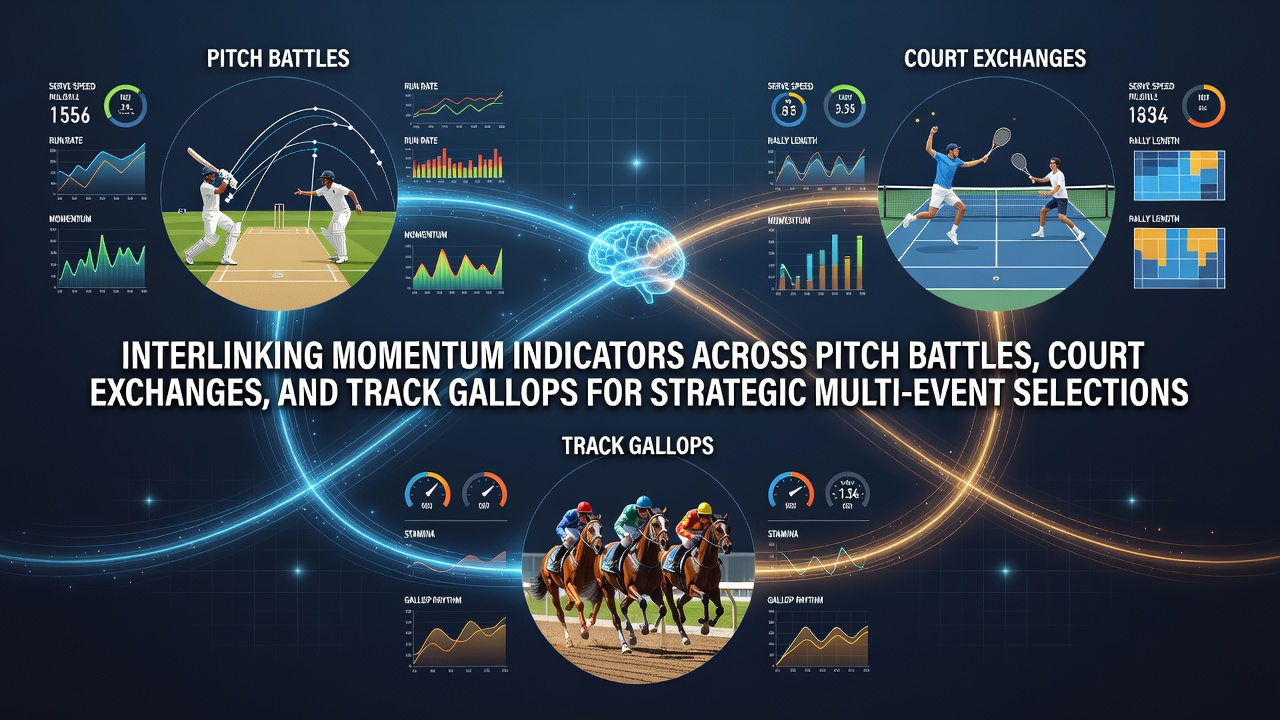
Observers note that momentum indicators have gained traction among those analyzing multi-event selections because patterns in one sport often align with shifts in others. Data shows these indicators track sequences of performance surges, such as sustained pressure in soccer matches, extended rallies in tennis sets, or accelerating strides during horse races, and analysts combine them to identify cross-sport opportunities rather than treating each event in isolation.
Momentum Patterns in Soccer Pitch Encounters
Researchers have documented how late surges in the first half or second-half build-ups create measurable momentum streaks, and these sequences appear in league data across various competitions. Teams that maintain possession dominance for extended periods tend to generate scoring chances that compound over consecutive fixtures, while defensive lapses can trigger opposing runs that carry forward into subsequent matches. Studies tracking pass completion rates and territorial gains reveal correlations between mid-match accelerations and overall outcome probabilities, allowing selectors to map these trends when constructing linked bets across multiple fixtures on the same day or weekend.
Shifts During Tennis Court Exchanges
Performance metrics in tennis highlight how extended rallies and break-point conversions signal momentum transfers, particularly in deciding sets where fatigue and mental resilience intersect. Tournament records indicate that players who win long points consecutively often sustain higher first-serve percentages into later rounds, and data from major circuits shows these streaks correlate with improved hold rates in subsequent matches. Analysts examine point-win sequences and return-game successes to detect when a competitor has seized control, and these patterns become useful when pairing tennis selections with events from other sports that exhibit similar acceleration profiles.
Acceleration Phases in Horse Racing Track Gallops
Form analysts track sectional times and finishing bursts to identify momentum in races, where horses that quicken markedly in the final furlongs demonstrate repeatable patterns across different distances and surfaces. Official race results demonstrate that runners posting strong late splits in one outing frequently replicate elements of that effort when conditions favor similar pacing strategies, and breeding data combined with trainer statistics helps contextualize which animals carry forward positive momentum into future starts. These gallop indicators provide measurable inputs when selectors seek to align racing outcomes with parallel surges observed in ball sports.
Connecting Indicators Across Disciplines
Cross-sport frameworks emerge when analysts align soccer possession runs, tennis rally dominance, and racing sectional improvements into unified selection models. Industry reports note that periods of elevated activity in one domain sometimes coincide with comparable phases in others, creating clusters suitable for multi-event structures. For instance, a soccer team mounting sustained attacks during evening fixtures may share temporal overlap with tennis players extending rallies in concurrent sessions, while a horse displaying strong finishing speed in an afternoon race can complete a chain when similar acceleration traits appear elsewhere. Data aggregation tools now process these variables in real time, enabling selectors to weight each component according to historical co-occurrence rates rather than isolated form lines.
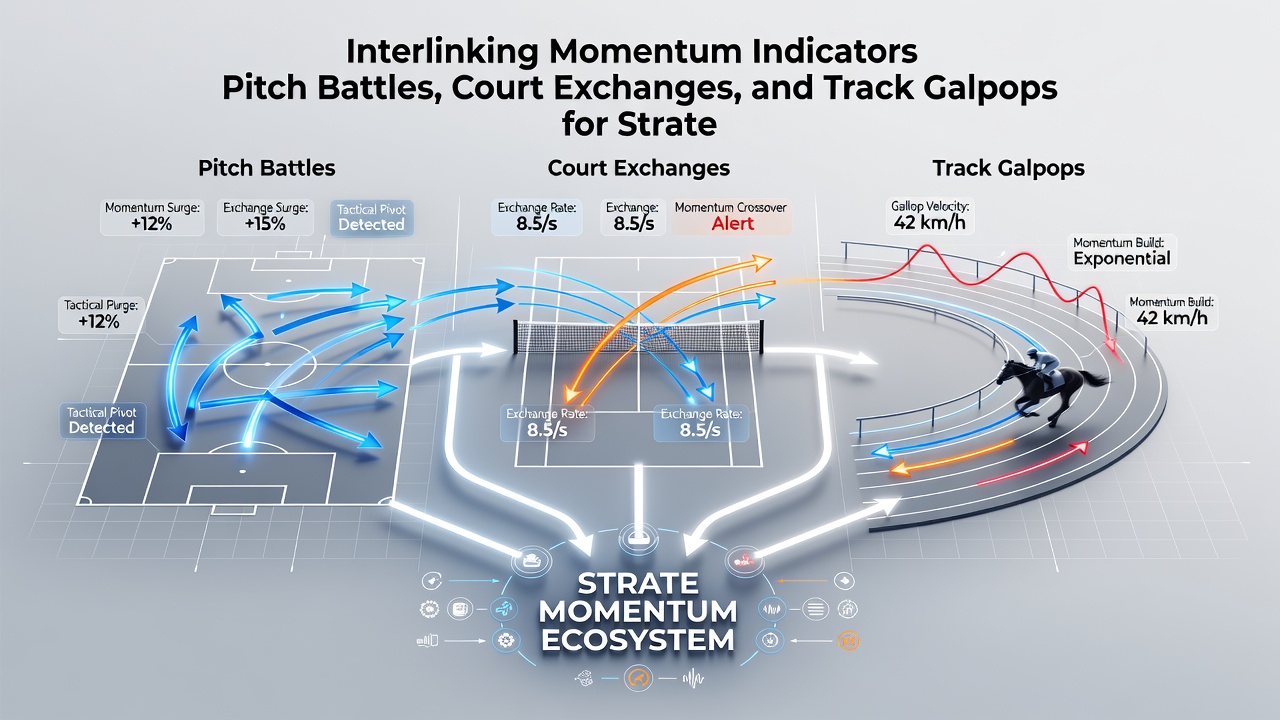
European sports data consortiums have compiled datasets that quantify these overlaps, revealing that momentum clusters spanning soccer, tennis, and racing occur at measurable frequencies during packed summer schedules. In July 2026 several major tournaments and race meetings aligned on consecutive days, allowing analysts to test interlinked models against live results and refine weighting systems accordingly. Academic papers from performance science departments further support the approach by examining physiological and psychological factors that underpin sustained surges across athletic domains.
Implementation Considerations for Multi-Event Approaches
Selectors incorporate timing windows, surface conditions, and participant rest intervals when merging indicators because these variables influence how momentum transfers between events. Software platforms aggregate live statistics from multiple feeds, highlighting alignments such as a soccer side increasing its pressing intensity at the same moment a tennis player extends a rally sequence or a race favorite posts an early sectional advantage. Regulatory bodies in Australia and Canada have published guidelines on data usage in betting products, emphasizing transparency around how such combined metrics are presented to participants. Those applying the method typically establish baseline thresholds for each sport before confirming that concurrent signals meet combined criteria for inclusion in selections.
Conclusion
Interlinked momentum analysis draws on established performance datasets from soccer, tennis, and horse racing to support structured multi-event selections. Evidence from competition records and academic reviews demonstrates that acceleration patterns can be tracked and aligned across disciplines when appropriate timing and contextual factors receive attention. Continued development of analytical tools and expanded data sources from diverse regulatory regions supports further examination of these cross-sport relationships in coming seasons.