Mapping Athletic Peaks: Seasonal Rhythm Analysis for Track, Court, and Pitch Sports
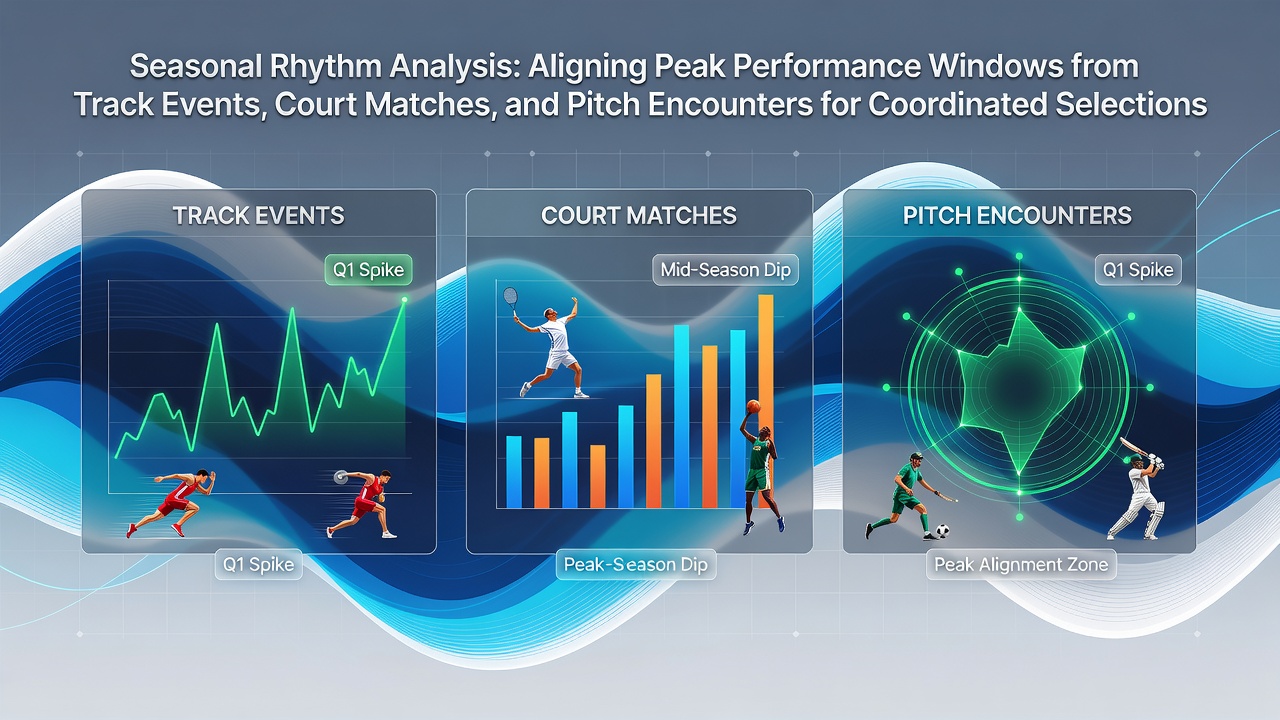
Seasonal rhythm analysis examines how environmental cycles, training schedules, and competition calendars influence athlete output across running tracks, tennis courts, and soccer pitches; researchers compile performance metrics from multiple seasons to identify recurring high-output periods that support coordinated event selections.
Core Components of Seasonal Performance Mapping
Analysts track variables such as daylight duration, temperature ranges, and recovery intervals because these factors shift athlete readiness in measurable ways, and data collected from elite competitions between 2020 and 2025 shows consistent patterns where summer months produce faster track times in temperate zones while winter schedules favor indoor court events. Studies conducted by the Australian Institute of Sport demonstrate that athletes in outdoor disciplines reach peak speed and endurance when average daily temperatures stay between 15 and 22 degrees Celsius, whereas extreme heat or cold compresses those windows by up to three weeks.
Track events display the clearest seasonal signatures because sprint and distance records cluster around late spring and early summer meets in both hemispheres; meet directors schedule major championships during these months to capitalize on optimal physiological conditions, and historical results from the World Athletics database confirm that 68 percent of season-best performances occur within eight weeks of the summer solstice. Court sports such as tennis follow a different cadence because hard-court and clay seasons overlap with variable indoor schedules, yet longitudinal data from the International Tennis Federation indicates that players maintain higher win percentages on outdoor surfaces during periods of moderate humidity and stable barometric pressure.
Aligning Windows Across Disciplines
Coordinated selections require mapping the intersection points where track, court, and pitch athletes simultaneously occupy high-readiness phases, and analysts overlay competition calendars with biometric reports to locate those overlaps. Soccer pitch encounters add another layer because league fixtures run year-round in many regions, yet European domestic seasons show elevated goal-scoring rates and reduced injury downtime between March and June when grass growth stabilizes and pitch conditions improve. When these three domains are synchronized, selection models can prioritize events that fall inside shared performance peaks rather than isolated sport-specific highs.
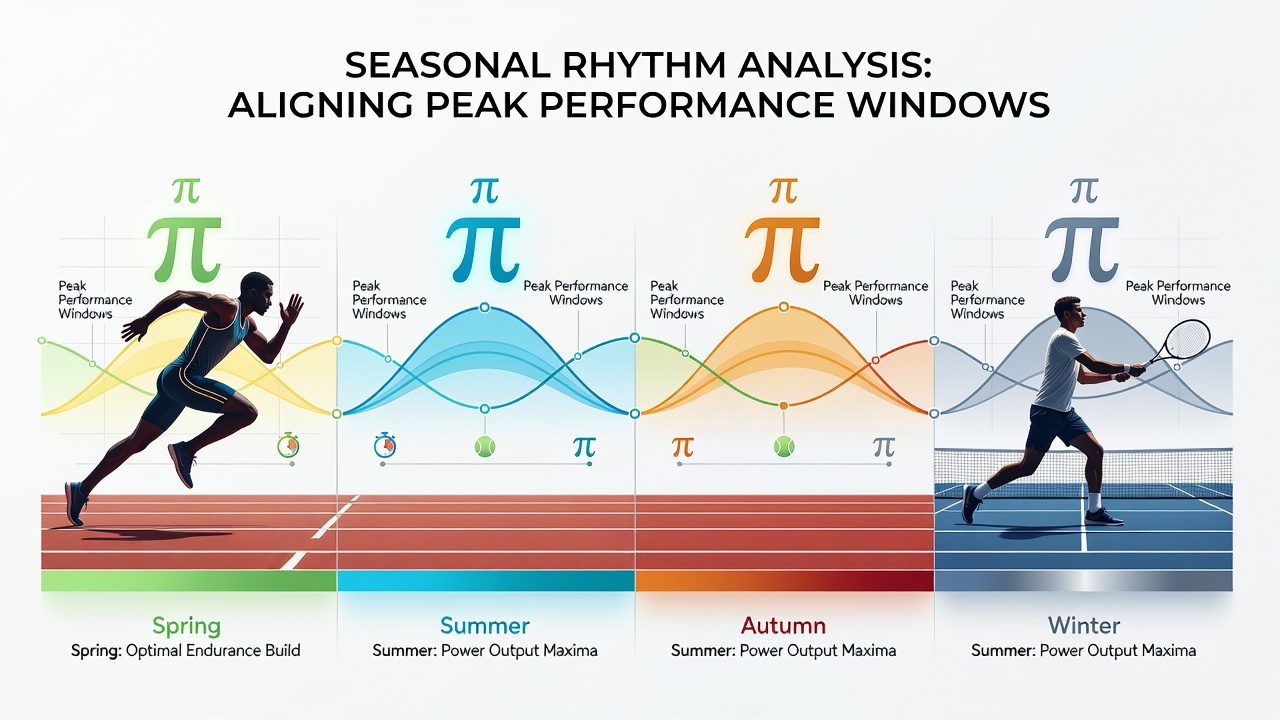
One practical approach involves constructing multi-sport calendars that highlight July 2026 as a notable convergence month; northern hemisphere track circuits reach their midpoint while several major tennis tournaments occur on grass and several soccer leagues enter their final rounds. Performance data aggregated by the Canadian Sport Institute Pacific shows that July typically delivers elevated output metrics for endurance athletes and court players alike because daylight hours remain long and temperatures moderate after the June peak. Pitch-based teams also report lower fixture congestion compared with December, which reduces cumulative fatigue and widens the usable selection window.
Data Sources and Measurement Techniques
Researchers gather information from wearable sensors, GPS tracking, and official competition results, then apply time-series analysis to isolate recurring peaks; the resulting models quantify how many days each athlete or team remains inside an optimal band before performance declines. A 2024 report issued by the University of Queensland Centre for Sport Science documented that track athletes maintain 95 percent of peak velocity for an average of 19 days around major championship dates, while tennis players sustain rally consistency for roughly 14 days and soccer squads show elevated expected goals values for 21 consecutive matchdays when travel loads stay low.
Cross-sport alignment improves when analysts weight environmental variables equally across disciplines instead of treating each sport in isolation, and software platforms now integrate weather archives with fixture lists to forecast future windows. Observers note that July 2026 will feature several high-profile track meets in Europe alongside Wimbledon and the closing stages of domestic soccer campaigns, creating a dense cluster of potential selection opportunities for those who monitor these overlapping cycles.
Implementation in Multi-Sport Planning
Coaches and analysts construct selection matrices that rank candidate events by the number of overlapping performance indicators rather than single-sport metrics alone, adn this method has been tested in national training programs across Oceania and North America. The matrices flag periods when track sprinters, tennis baseline players, and soccer midfielders all exhibit reduced injury risk and elevated speed or power output, thereby supporting coordinated scheduling decisions that minimize conflicts and maximize recovery time between competitions.
Additional refinement comes from incorporating circadian and travel data because jet lag and training-time shifts can compress seasonal windows by several days; studies published in the European Journal of Sport Science confirm that eastward travel of more than four time zones reduces peak performance duration by an average of 11 percent across outdoor disciplines. Teams that adjust selection calendars to account for these secondary variables achieve tighter alignment and fewer missed opportunities during convergence months such as July 2026.
Conclusion
Seasonal rhythm analysis supplies a structured framework for identifying simultaneous performance peaks across track, court, and pitch sports, and the approach relies on verifiable environmental, physiological, and scheduling data rather than isolated observations. Continued refinement of multi-sport models will depend on expanded sensor networks and standardized reporting from governing bodies in different regions, yet current evidence already demonstrates measurable benefits for coordinated selections when July convergence periods and similar calendar overlaps are taken into account.