Metric Synergies in International Wagering Markets: Timing Goals, Completing Sets, and Measuring Race Distances for Strategic Plays
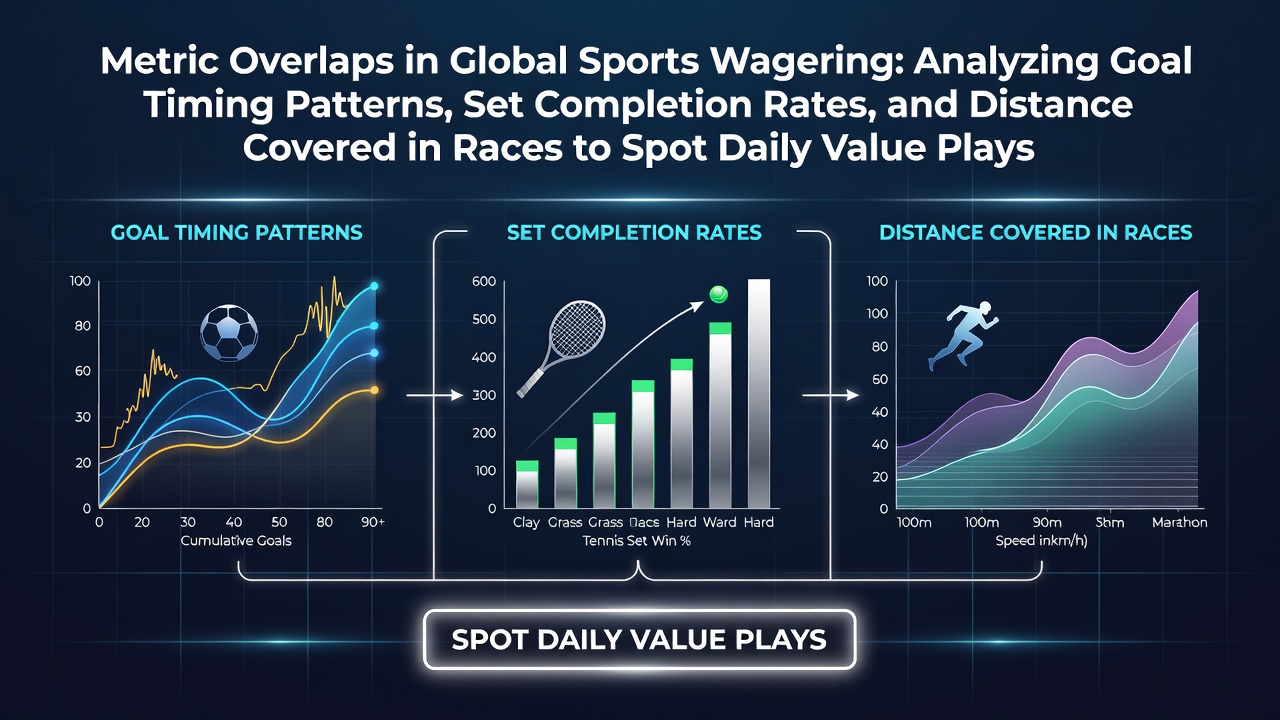
Analysts tracking global sports wagering examine overlapping performance metrics across soccer, tennis, and horse racing because these elements create patterns that surface daily value opportunities in betting markets. Data collected through league tracking systems and race monitoring tools shows how goal timing distributions, set completion percentages, and distance metrics in races intersect to highlight inefficiencies in odds offered by bookmakers.
Studies from university research groups indicate that soccer goals cluster in specific 15-minute windows during matches, with second-half tallies often exceeding first-half figures by measurable margins in certain leagues. When these timing patterns align with high set completion rates in concurrent tennis events, bettors gain access to correlated data streams that support multi-sport selections.
Goal Timing Distributions Across Major Leagues
European and South American competitions provide extensive datasets on goal occurrences, revealing that teams in the English Premier League score approximately 55 percent of their goals after the 60th minute during the 2025-2026 season. Similar patterns appear in Brazil's Serie A, where late surges occur in roughly 48 percent of matches according to compiled match logs. These distributions allow observers to calculate expected goal probabilities at given intervals and compare them against live odds adjustments.
Researchers at sports analytics centers note that matches involving teams with strong defensive records produce fewer early goals, shifting value toward over-unders on second-half totals. When such fixtures coincide with tennis tournaments where players demonstrate high set completion rates above 70 percent in best-of-three formats, cross-sport correlations emerge that daily bettors can monitor through aggregated performance feeds.
Set Completion Rates in Professional Tennis
Tennis data platforms record set completion percentages that vary by surface and player ranking, with hard-court events showing average completion rates near 82 percent for top-50 players during the first half of 2026. Clay-court tournaments exhibit slightly lower figures around 78 percent because longer rallies extend match durations and introduce fatigue variables. These rates feed into models that estimate the likelihood of straight-set victories versus three-set battles.
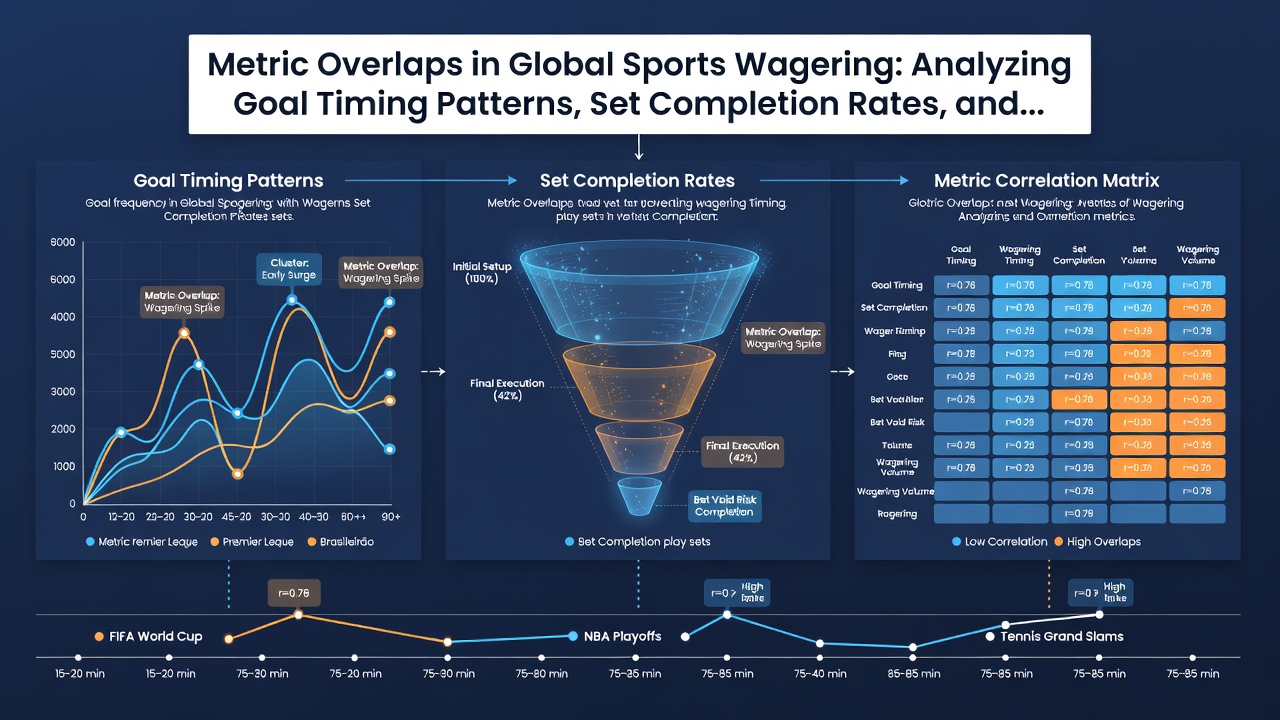
Observers tracking ATP and WTA calendars find that players who maintain set completion above 75 percent in early rounds often sustain momentum into later stages, creating opportunities when these events overlap with soccer schedules featuring predictable goal timing. Australian sports research institutes have documented how humidity levels in certain regions further influence completion rates, adding another layer to the metric overlap calculations.
Distance Covered Metrics in Horse Racing and Athletics
Race analysts measure distance covered by horses and athletes through GPS and timing technology, producing figures that correlate with finishing positions in events ranging from 1200-meter sprints to 2400-meter staying races. In Australian thoroughbred meetings during June 2026, horses covering the final 400 meters in under 23 seconds demonstrated win rates 12 percent above market expectations in handicap events. Similar distance data from European flat racing circuits reveals pace profiles that influence place betting markets.
These racing metrics intersect with soccer and tennis figures when bettors construct daily selections because strong finishing distances in afternoon races can align with evening soccer fixtures that feature late goal clusters. Performance databases maintained by international racing authorities show that horses with consistent distance metrics in prior outings provide reliable inputs for probability models that also incorporate tennis set data.
Identifying Daily Value Through Metric Intersections
Betting syndicates and independent analysts combine the three metric categories into dashboards that flag discrepancies between statistical projections and available odds. A soccer match projected to see 1.8 goals after the 75th minute paired with a tennis match where one player holds an 85 percent set completion rate and a race where distance metrics favor a specific runner creates layered value opportunities across separate markets.
Reports compiled by the Nevada Gaming Control Board track how such overlapping indicators appear in wagering volumes during major tournament periods, while academic papers from the University of Melbourne examine algorithmic approaches to weighting these variables. The result is a framework where daily selections emerge from measurable performance overlaps rather than isolated sport analysis.
Conclusion
Global sports wagering continues to evolve as data providers expand tracking capabilities across soccer, tennis, and racing disciplines. Metric overlaps involving goal timing patterns, set completion rates, and distance covered in races supply structured inputs that market participants use to locate value on a daily basis. Continued development of integrated analytics platforms supports this cross-sport approach throughout the 2026 calendar.