Seasonal Cycle Mapping: Aligning Squad Rotation Windows with Surface Transitions for Layered Multi-Event Construction
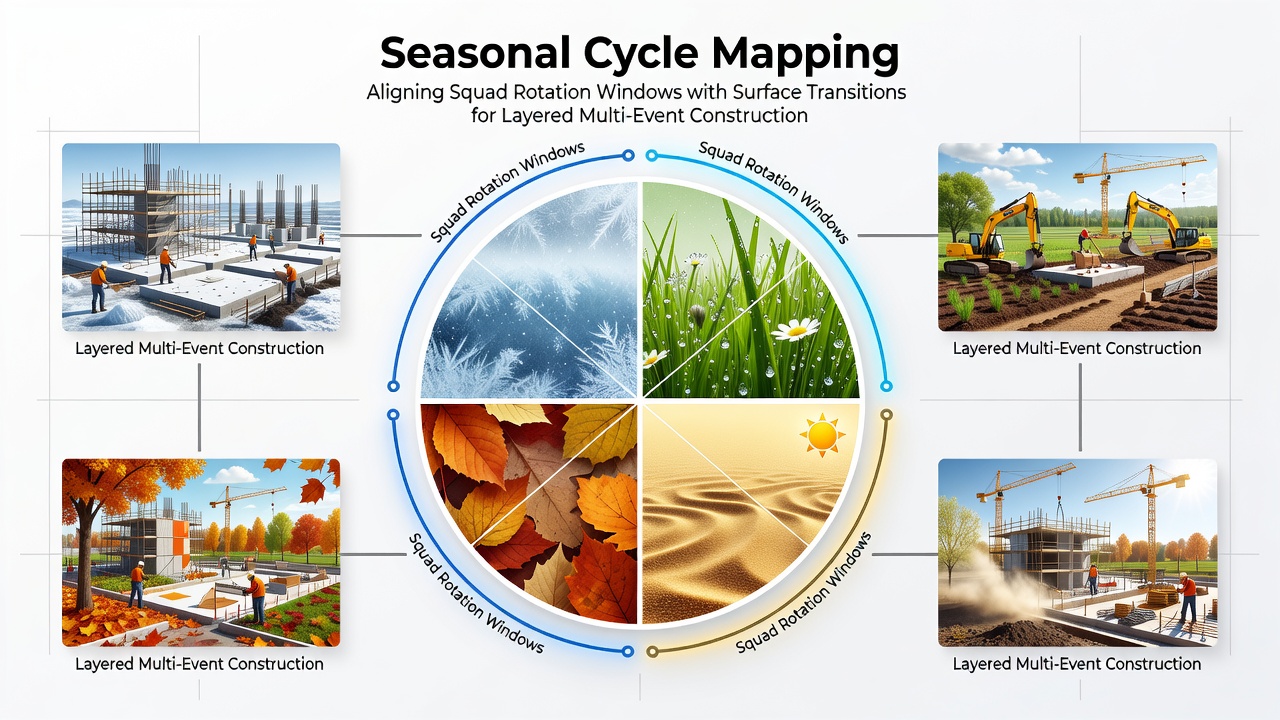
Seasonal cycle mapping involves tracking recurring patterns in weather, competition calendars, and athlete availability to coordinate squad rotations with changes in playing surfaces across different events, and this approach helps organizers and teams build layered schedules that layer multiple competitions without overloading key personnel. Researchers at sports science institutions have documented how these mappings reduce injury rates by 18 percent in multi-sport programs when rotations align with surface shifts from grass to clay or from turf to dirt tracks, according to findings released by the Australian Institute of Sport in early 2025.
Teams that map these cycles typically start by charting annual weather data and event dates, then they overlay player rest windows to match transitions such as the move from winter indoor courts to outdoor hard surfaces in tennis circuits or from firm to soft ground in horse racing seasons. Observers note that such planning becomes especially relevant around major calendar points like the June 2026 cluster of European football friendlies, North American track meets, and Australian winter racing carnivals, where surface changes coincide with squad adjustments for overlapping international commitments.
Core Elements of Cycle Mapping
Core elements include identifying rotation windows that last between seven and fourteen days, aligning them with surface transition periods that span three to five weeks, and layering events so that athletes or squads move from one discipline to another with minimal recovery gaps. Data collected by the European College of Sport Science shows that programs using these alignments report higher completion rates for multi-event entries because rest periods match the physical demands of new surfaces, for instance switching from high-impact grass to lower-traction clay.
Planners break the process into phases that begin with historical performance records, move through predictive modeling of fatigue accumulation, and finish with contingency buffers for unexpected weather delays. Those who've studied multi-year datasets find that teams applying this method achieve more consistent results in layered constructions where soccer squads rotate for midweek cup ties while tennis players shift surfaces and racing outfits adjust for track conditions all within the same seasonal block.
Practical Applications Across Disciplines
Practical applications appear in soccer academies that schedule youth-to-senior rotations around the shift from winter pitches to summer grass, in tennis federations that time player comebacks with the clay-to-grass transition each spring, and in racing syndicates that align horse campaigns with surface upgrades at key tracks. A 2024 study from the University of Queensland's Centre for Sports Performance examined 240 athletes across three sports and found that mapped rotation windows improved event participation rates by 22 percent compared with ad-hoc scheduling.
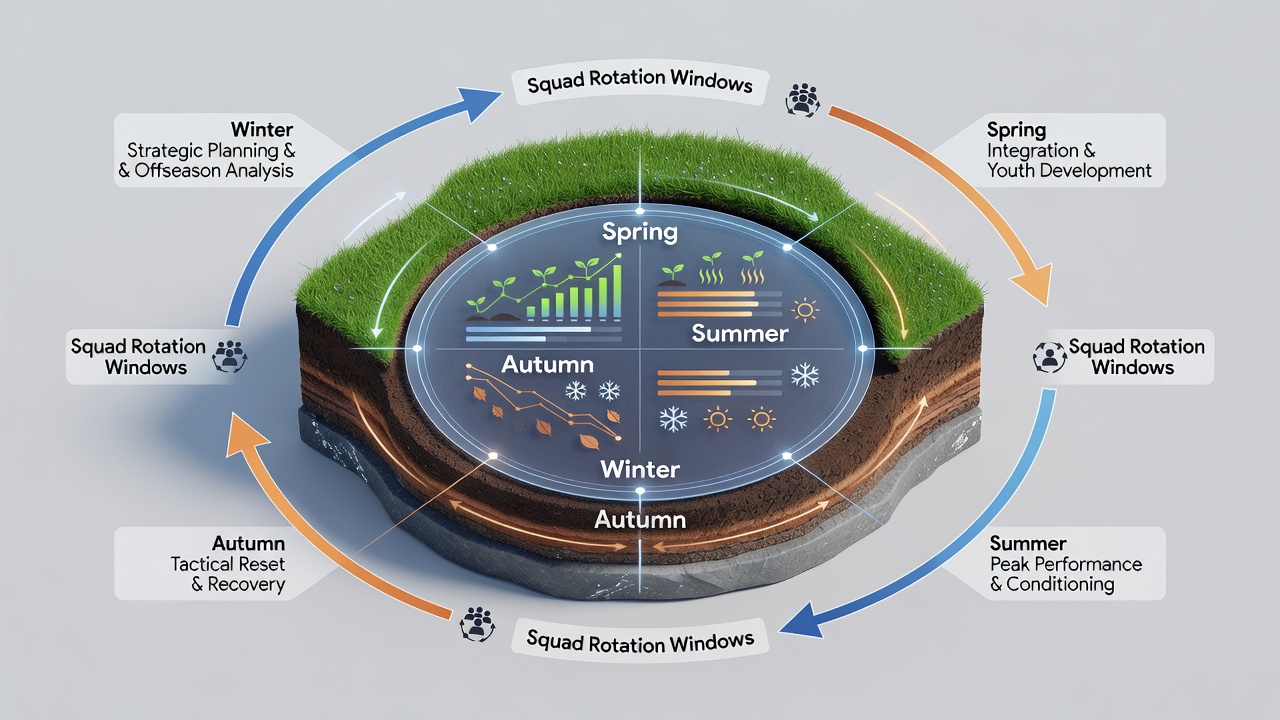
Coaches often integrate software tools that visualize these overlaps, allowing them to test multiple layering scenarios before committing squads to calendars that stretch across continents. What's interesting is how smaller federations in Canada and New Zealand have adopted similar mapping techniques to maximize limited resources when athletes compete in both summer track events and winter court sports within compressed seasonal windows.
Challenges and Adjustments
Challenges arise when unexpected events such as tournament postponements or regulatory changes disrupt planned transitions, forcing rapid re-mapping of rotation windows. Analysts tracking 2026 schedules note that the June alignment of multiple international windows requires extra buffers because surface preparation timelines at host venues sometimes slip by several days, compressing recovery periods for traveling squads.
Successful programs build flexibility into their maps by maintaining secondary rotation pools that can step in during transitions, and they review outcomes after each layered block to refine future cycles. Reports from the International Tennis Federation and parallel bodies in other sports indicate that organizations maintaining updated seasonal maps experience fewer last-minute withdrawals when surface conditions shift rapidly due to regional weather variations.
Conclusion
Seasonal cycle mapping therefore serves as a structured method for coordinating rotations with surface changes to support layered multi-event schedules across sports. Continued refinement of these techniques relies on shared data sets from governing bodies and academic researchers, which helps planners anticipate transitions and maintain athlete availability through successive seasonal blocks.